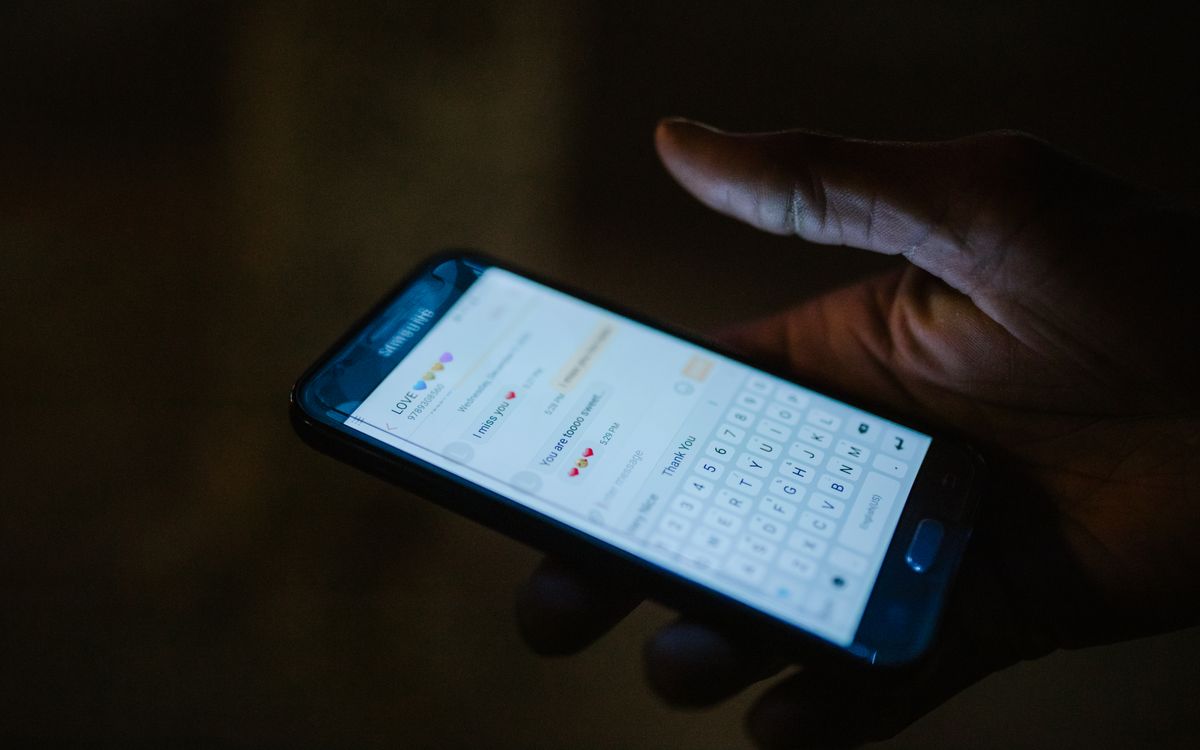
An SMS is the most interruptive message you can send, which is exactly why it works. Nobody ignores a text the way they ignore an email. But that attention is borrowed, and it lasts about two seconds.
Lead with the reason they would care
The first five words decide everything. If they are spent on a greeting, the customer has already decided this is not for them.
- Weak: "Hello! We hope you are doing well. Just checking in."
- Better: "Your water filter is due for a change this week."
The second one tells the reader who this concerns and why today. The greeting can come later, if at all.
Say one thing
Reminders that carry an offer, a request and a survey get none of them read. Pick the single action you want and build the message around it. If you genuinely have two things to say, send two messages on different days.
Make the next step obvious
A message without a way forward is a dead end. Include the number to call, the shop to visit, or the word to reply with. Make it the last line so it is where the eye lands.
Stay under the segment limit
A standard SMS holds 160 characters. Past that it splits into two messages and your cost doubles for the privilege of being longer. Writing to 150 characters is not a constraint to resent, it is a forcing function for the point above.
- Count the words, then cut the ones doing no work.
- Drop "please" and "kindly" if the sentence is already polite.
- Put the action at the end where it is easy to find.
Write like a person, not a system
Messages that sound like they were written by someone who knows the customer get answered. Names help. Specifics help more. "Your usual Saturday slot is free" beats "We have availability this weekend" every time.
Test one variable at a time
Change the opening line for half your list and compare replies for a week. Then change the timing. If you change both at once you will never know which one worked.
The point of all of this is not clever copy. It is arriving at the right moment with something worth reading.